





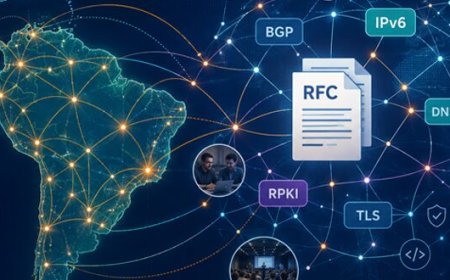












While capacity and resilience are strengthening, persistent structural challenge...
RPKI deployment continues to strengthen across the Asia Pacific region. The data...
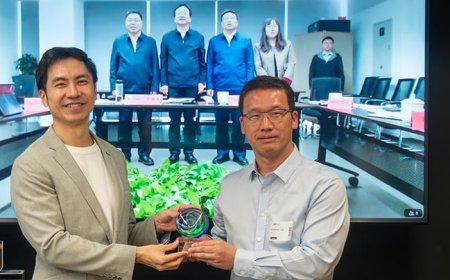
APNIC welcomed delegates from Xiong’an New Area to present the IPv6 City Plaque ...
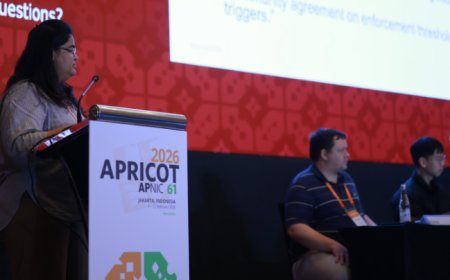
Internet number resource policy determines how IPv4, IPv6, and ASN resources are...
![[Podcast] What does ‘BCP’ really mean?](https://www.ngo.ink/uploads/images/202604/image_430x256_69cf352dd92e4.jpg)
A conversation with Geoff Huston on what 'best' and 'current' mean in BCP. Is it...
Guest Post: How a modern SOHO network can achieve an 80% native IPv6 ratio by le...
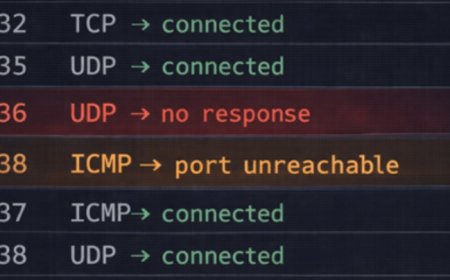
Guest Post: Network monitoring has traditionally been built around a simple assu...
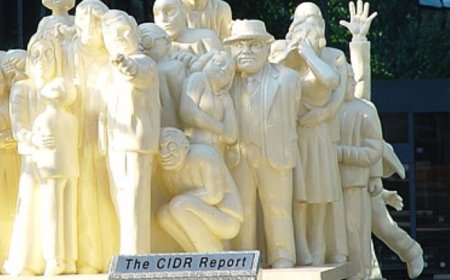
Geoff Huston explains the reasons for the CIDR Report, what's in it, and shares ...

Guest Post: eBPF has been widely leveraged to improve network function performan...

Guest Post: Routing loops cause packets to circulate between routers. This can c...

The AGM provides an opportunity to learn more about APNIC and to ask questions o...
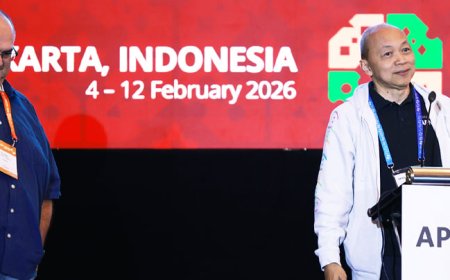
Guest Post: A short BGP hijack in 2025 showed how routing security can fail when...
How APNIC products and tools can strengthen your network security and improve ro...
![[Podcast] bgproutes.io: A next-generation BGP data collection platform](https://www.ngo.ink/uploads/images/202603/image_430x256_69bd186bb3478.jpg)
Thomas Alfroy and Thomas Holterbach from the University of Strasbourg talk about...
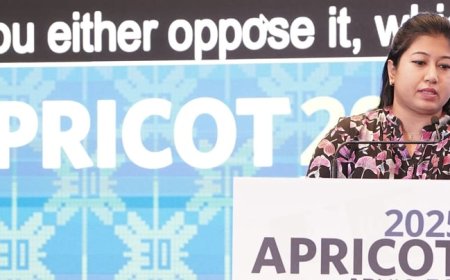
From ISP engineer to policy leader, Shaila Sharmin reflects on her journey into ...